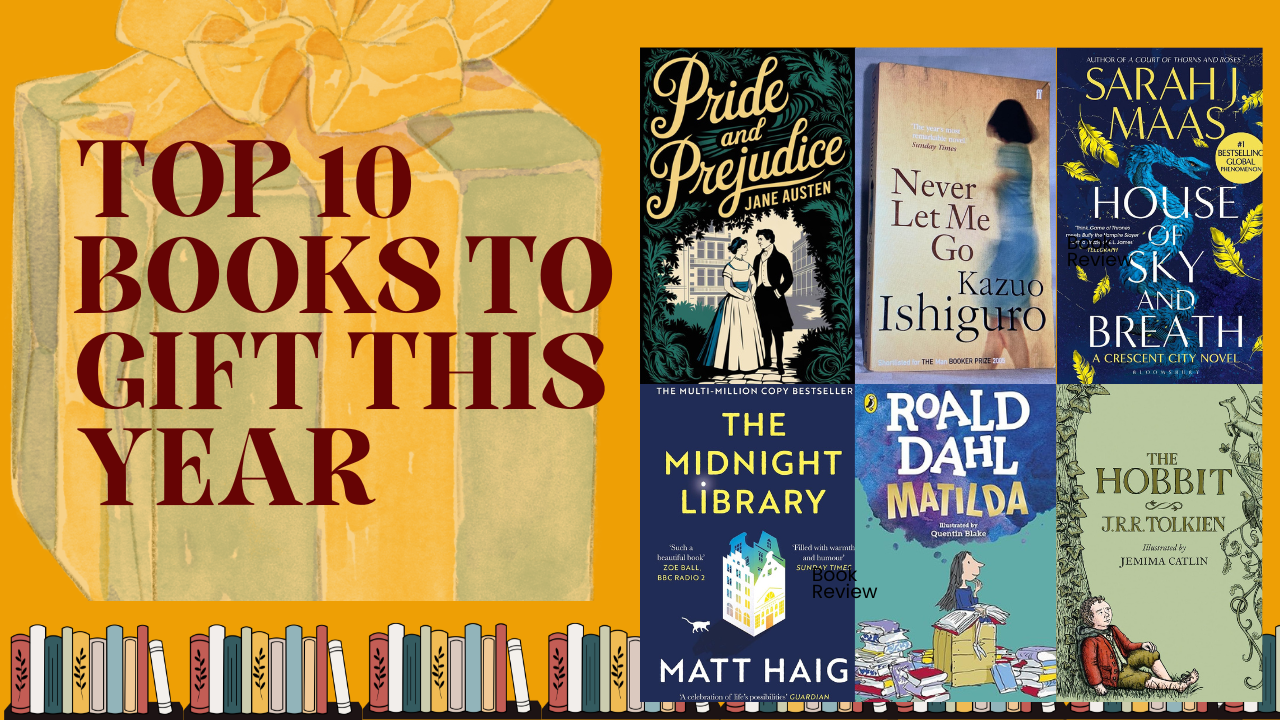
The UK has long been a powerhouse in literature. From Shakespeare to J.K. Rowling, the nation has produced voices that shaped global storytelling. But today, it isn’t just the internationally famous names setting trends, it’s the local UK authors who are redefining fiction. Across cities, towns, and even online communities, a new generation of writers is bringing fresh perspectives, experimenting with genres, and creating stories that feel both globally relevant and deeply rooted in British culture.
In this exclusive insight, we’ll explore how local UK authors are shaping the future of fiction, why their impact matters, and what readers can expect from the next wave of British storytelling.
1. Fiction Beyond London: Stories from Every Corner of the UK
For decades, the publishing spotlight has often been on London. But local UK authors from regions like Manchester, Glasgow, Cardiff, and Belfast are proving that literature doesn’t have a single capital. These writers are telling stories infused with regional identity—dialects, traditions, and landscapes that are rarely highlighted in mainstream fiction.
Take for example the surge of Northern voices gaining recognition in literary awards. Their novels aren’t just set in industrial towns or coastal villages for backdrop; they explore how communities grapple with change, economic uncertainty, and cultural shifts. This kind of fiction is relatable to readers everywhere, while still carrying the flavour of its origins.
By broadening the literary map, UK fiction is becoming more inclusive, diverse, and representative of real British life.
2. Blending Tradition with Innovation
UK literature has always valued tradition, but local authors are finding ways to innovate without losing that heritage. Some writers are revisiting historical events through fresh lenses feminist retellings, immigrant perspectives, or speculative “what if” scenarios. Others are experimenting with form, blending poetry with prose or integrating digital media into storytelling.
The rise of hybrid genres such as romantic thrillers, eco-dystopias, or cross-cultural fantasy is a hallmark of this new era. Local UK authors are not afraid to bend the rules, creating fiction that appeals to both seasoned readers and newcomers seeking something different.
For example, small indie presses across the UK are championing experimental novels that mainstream publishers might have overlooked. This has given emerging authors a platform to challenge norms, and in many cases, their work has gone on to earn national recognition.
3. Authentic Representation: Diversity in Storytelling
One of the most significant shifts in modern fiction is the demand for authentic representation. Local UK authors, particularly those from underrepresented backgrounds, are bringing fresh perspectives into the literary space.
From Black British writers exploring the legacy of colonialism to British Asian authors weaving cultural identity into contemporary romance, fiction is becoming more layered and inclusive. LGBTQ+ voices are also reshaping genres, especially in young adult fiction, where representation matters deeply to readers.
By telling stories that reflect a broader range of lived experiences, these authors are helping fiction evolve into a mirror of today’s UK society. And for readers, this means more opportunities to discover characters and worlds that feel both authentic and meaningful.
4. The Digital Age: Self-Publishing and Online Communities
The future of fiction is also digital. Many local UK authors are bypassing traditional publishing routes altogether, finding success through self-publishing platforms like Kindle Direct Publishing. Self-published British authors have reached global audiences, sometimes even outselling traditionally published counterparts. With platforms like Wattpad and Substack, writers can build communities around their work before ever stepping into a bookstore.
Social media, too, plays a key role. Platforms like TikTok’s #BookTok and Instagram’s #Bookstagram have created viral sensations out of books by relatively unknown authors. This democratisation of publishing means local voices can compete on the same stage as big international names.
In short, digital tools have levelled the playing field, giving readers more direct access to fresh fiction while allowing authors to retain creative control.
5. The Role of UK Book Clubs and Festivals
Local book clubs, libraries, and literary festivals are essential in amplifying the voices of UK authors. From the Edinburgh International Book Festival to grassroots community events, these gatherings connect readers directly with writers.
For many emerging authors, local festivals provide their first opportunity to build an audience. Readers, meanwhile, enjoy discovering new fiction before it hits the mainstream. Book clubs across the UK are also shifting focus toward supporting local authors, often choosing to feature debut novels that might not yet be on bestseller lists. This community driven support network is ensuring that local UK fiction thrives, not just as entertainment but as part of a cultural dialogue.
6. Exclusive Insights: What Readers Can Expect Next
So what’s next for fiction shaped by local UK authors? Here are some trends that industry insiders and literary critics are already pointing to:
Cross-media storytelling: Expect more integration of podcasts, interactive e-books, and even AI-generated collaborations where authors and technology work together.
Eco-fiction and climate narratives: With sustainability and climate change dominating global discussions, UK writers are embedding these themes into novels—whether dystopian, speculative, or even romantic in tone.
Blended identities: Expect more fiction that explores hybrid cultural identities, reflecting the increasingly multicultural UK landscape.
Regional pride: Fiction that doesn’t just use local settings but celebrates them—think novels that make cities like Leeds, Bristol, or Aberdeen central characters in their own right.
Accessible storytelling: Writers are experimenting with shorter novels, novellas, and even serialised fiction that caters to busy readers while maintaining depth.
7. Why Supporting Local UK Authors Matters
Supporting local authors isn’t just about celebrating new talent—it’s about sustaining the future of UK fiction. When readers buy from indie presses, attend local book signings, or download e-books from emerging writers, they’re directly contributing to a more diverse literary ecosystem.
These choices ensure that the next generation of readers grows up with access to voices that reflect their reality, not just imported or commercialised versions of storytelling.
By investing in local authors, readers become part of the very movement that’s shaping the future of fiction.
Final Thoughts
Local UK authors are no longer working in the shadows of literary giants. They are the innovators, experimenters, and community builders shaping the next chapter of British fiction. Through authentic voices, diverse representation, and digital-first publishing, they are making fiction more inclusive, relevant, and globally resonant.
As readers, we have the privilege of witnessing this transformation in real time and the opportunity to support it. The future of fiction isn’t just being written; it’s being rewritten by local voices across the UK. And if the current momentum is any indication, the world will be reading and celebrating these stories for decades to come.